Memocept Official Website › Blog › No Caffeine, No Stimulants
“No Caffeine, No Stimulants”: What That Actually Means
Memocept contains no caffeine and no stimulants. That is a real difference from most of this category, it changes what you should expect to feel, and — because some third-party pages say otherwise — it is worth stating plainly.
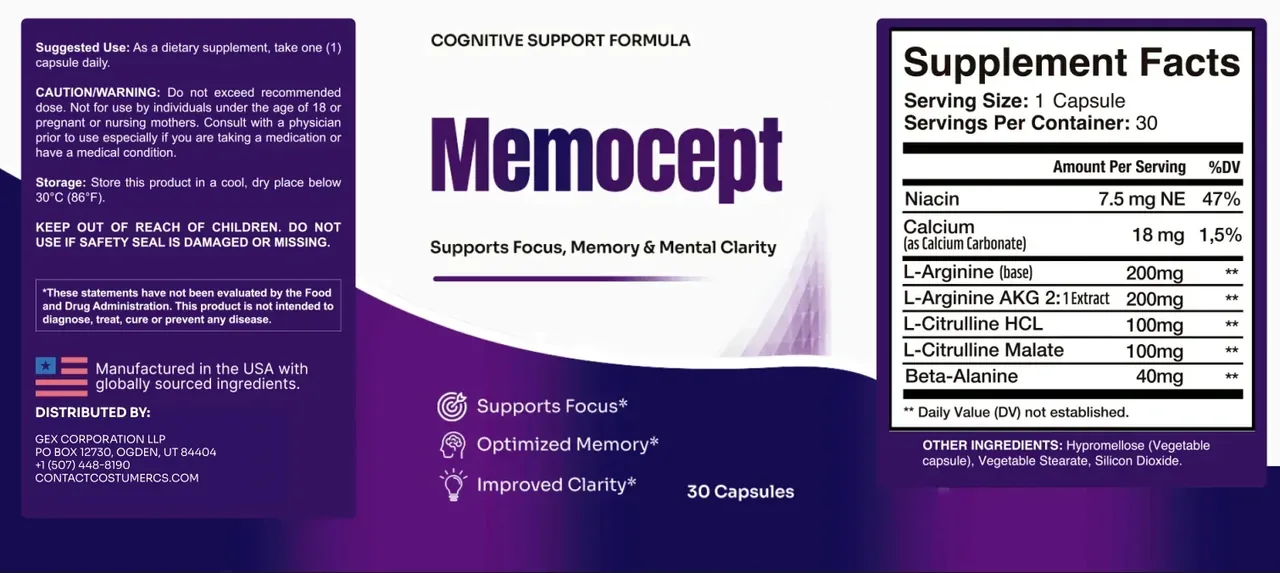
- No caffeine, no stimulants in the formula this website describes.
- So there is no lift to feel in the first hour, and the absence of one is not a sign the product is failing.
- Some third-party pages describe a different formula with caffeine in it. They are not describing this product.
- Check your own bottle. Formulations change; the printed panel wins every argument, including with us.
This is general information, not medical advice. Memocept is a dietary supplement. It is not a treatment for Alzheimer’s disease, dementia or any other cognitive condition, and it is not a substitute for prescribed medication. New or worsening memory problems are a reason to see a doctor, not a reason to buy a supplement.
What counts as a stimulant
In supplement terms, a stimulant is an ingredient that acts on the central nervous system to increase alertness quickly — caffeine above all, plus things like guarana and green tea extract that carry caffeine, and synthetic compounds that act the same way.
The give-away is speed. A stimulant does something within an hour. Everything else on a cognitive panel works slowly if it works at all.
It is worth separating two things people run together here. Caffeine is not a problem ingredient — it is one of the best-characterised compounds in the food supply, and most adults consume it daily without incident. The objection to finding it in a cognitive supplement is not safety but honesty: it makes any formula feel like it is working, whatever else is in the bottle.
Why the absence changes your expectations
A great deal of what people describe as a nootropic “kicking in” is caffeine. Take that out and there is no rush, no edge and no crash — which is exactly the point of a stimulant-free formula, and also why it can feel like nothing is happening.
| Stimulant formula | Memocept | |
|---|---|---|
| First hour | Noticeable lift | Nothing to feel |
| Afternoon | Possible dip as it wears off | No dip — nothing wore off |
| Sleep | Can be affected if taken late | Not affected by this mechanism |
| Tolerance | Builds; the lift shrinks over weeks | None to build |
| Fair test | A single dose | Four weeks of daily use |
Judge it at four weeks, not four hours.
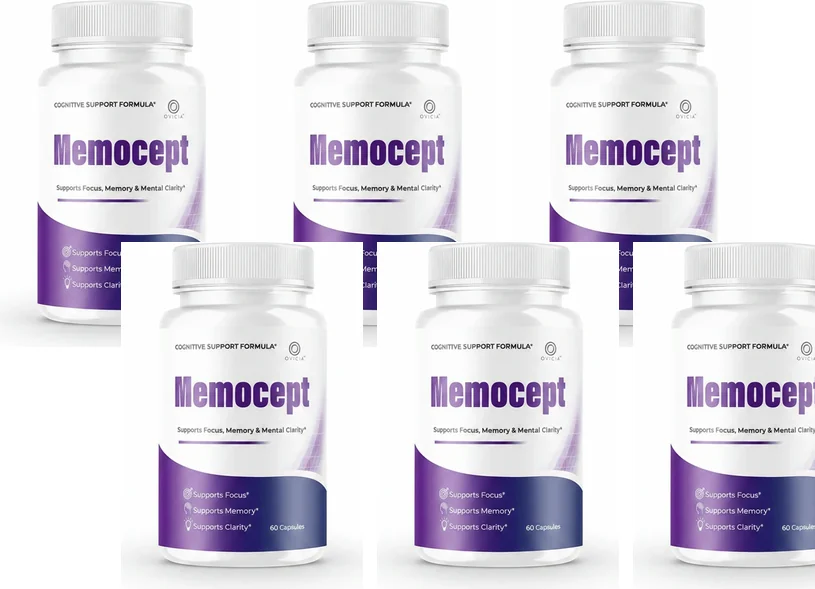
There is no stimulant here to give you a first-day verdict. Six bottles is our lowest price per bottle, and the guarantee runs sixty days either way.
$294 — six bottles at $49 each
Order On The Official WebsiteFree US shipping · digital bonuses · 60-day money-back guarantee
Where the caffeine confusion comes from
Some third-party pages describe a “Memocept” formula built around different ingredients, caffeine among them. We have no way of knowing what those pages are describing — a different product, an older formulation, or simply an error — but it is not the product distributed from this website, whose panel is printed in full on the ingredients page and photographed on the batch verification page.
The general rule is worth more than this specific case: a page that is not the manufacturer or the authorized distributor is not authoritative about what is in a bottle. The FDA's questions and answers on dietary supplements explains where label responsibility actually sits, and the ODS consumer guide is the neutral primer on reading supplement information critically.
What is actually on the panel
- Niacin — a B vitamin. The NIH factsheet covers its role and the flushing that high doses can cause.
- Calcium — a mineral. The NIH factsheet covers intake and absorption.
- Four circulation aminos — arginine and citrulline in different forms.
- Beta-alanine — best evidenced for high-intensity exercise.
Seven actives, no stimulants, and amounts not published for any of them. That last part is a genuine limitation and it is on every page of this website that discusses the formula.
What replaces the stimulant, and what does not
If a formula is not giving you caffeine, it is worth being clear about what it is offering instead — and about what nothing in a bottle offers at all.
A stimulant borrows alertness against the rest of your day. It works, it works quickly, it builds tolerance, and eventually it is repaying a debt rather than providing a benefit. A stimulant-free formula does none of that, in either direction: nothing is borrowed and nothing is owed.
What is on offer in its place is modest and slow, and the honest version of the pitch is this: a small daily addition that may support the ordinary machinery of circulation, judged over a month, on top of a life you are already running properly. That is a duller sentence than the category usually writes, and it is the accurate one.
The things that beat it, and are free
- Sleep. The single largest lever on next-day attention, and the one people trade away first.
- Movement. Regular activity has better evidence for cognitive health with age than any supplement ingredient on any panel.
- Treating what is treatable. Hearing loss, low mood, thyroid problems and medication side effects all produce symptoms people mistake for memory decline, and all are addressable by somebody with a stethoscope rather than a checkout.
- Less alcohol. Unwelcome, effective, and cheaper than anything we sell.
The NIA's summary on diet and Alzheimer's prevention is a sober read on how much the evidence actually supports in this area, and it is worth ten minutes before spending anything on this category — ours included.
How to tell whether a formula contains stimulants
“Stimulant-free” on the front of a bottle is a marketing phrase. The panel is where you check it, and caffeine travels under several names.
| What you see on a panel | What it means |
|---|---|
| Caffeine anhydrous | Straightforward added caffeine |
| Guarana seed extract | Naturally caffeine-rich, often substantially |
| Green tea extract | Contains caffeine unless marked decaffeinated |
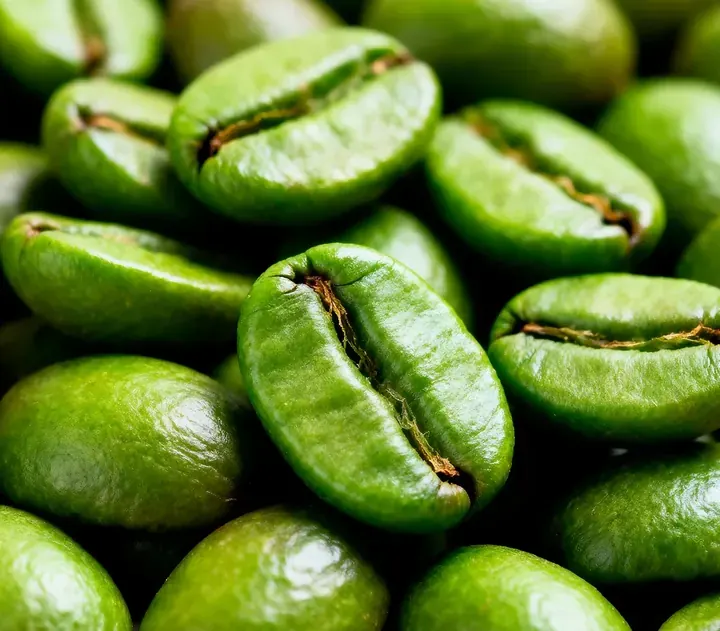
| Green coffee bean extract | Contains caffeine |
| Yerba mate, kola nut | Both caffeine sources |
| Theobromine | A cocoa relative of caffeine; milder, still stimulant |
None of those is on the Memocept panel. If you are comparing this product with another, that table is the check to run — and it is worth running on anything marketed for focus, because a same-day effect almost always means something in this column is present.
Why a hidden stimulant matters
Not because caffeine is dangerous at ordinary doses, but because it makes a product impossible to evaluate. If you feel something in the first hour, you will attribute it to whatever the label is selling, and you will keep buying on the strength of an effect that a fifty-cent cup of coffee would have produced. Knowing which formulas contain one is how you stop paying a premium for caffeine.
Who a stimulant-free formula suits
- People who are caffeine-sensitive, or who already drink coffee and do not want more.
- People who take it in the evening, or whose routine varies.
- People who have found stimulant nootropics leave them wired and then flat.
- People who would rather judge a supplement over a month than over an hour.
Who it does not suit: anyone hoping to feel something immediately. If that is the goal, this is the wrong product, and we would rather you knew that before ordering than at day 40. The who it's for page sets that out in full, and the 60-day guarantee covers you if you have already ordered.
NCCIH's digest on supplements and cognitive function is the honest overview of what this whole category can and cannot be expected to do.
How to test a stimulant-free supplement properly
Removing the stimulant removes the feedback. That makes an honest test harder, and worth designing rather than improvising.
- Decide what you are measuring, before day one. “Sharper” cannot be assessed in retrospect. “How often I lose the thread mid-sentence” can, if you count it.
- Keep the rest of the week ordinary. Starting a supplement in the same week you start a new job or a new sleep schedule guarantees an uninterpretable result.
- Take it daily for thirty days. A stimulant-free formula tested for five days has not been tested.
- Ask somebody else at week four. The least biased instrument available to you, and the one people are most reluctant to use.
- Accept the answer. If nothing changed, that is information, and the 60-day guarantee is what it is for.
The trap specific to this category is the reverse of the stimulant trap: with nothing to feel, people conclude too early that nothing is happening, stop at week two, and never find out. Both errors have the same fix, which is deciding in advance what you are looking for and when you will look.
What we will not tell you it does
That it will improve your memory. Memocept has never been the subject of a clinical trial — the references on this website concern individual ingredients, not the finished product — and NCCIH's digest on supplements and cognitive function is honest about how little this whole category has demonstrated. A fair test of this product is a test of whether it does anything for you, and that is the only claim we are in a position to invite.
References
- National Institutes of Health, Office of Dietary Supplements. Niacin: fact sheet for health professionals. https://ods.od.nih.gov/factsheets/Niacin-HealthProfessional/
- National Institutes of Health, Office of Dietary Supplements. Calcium: fact sheet for health professionals. https://ods.od.nih.gov/factsheets/Calcium-HealthProfessional/
- National Center for Complementary and Integrative Health. Dietary supplements and cognitive function, dementia, and Alzheimer's disease: what the science says. https://www.nccih.nih.gov/health/providers/digest/dietary-supplements-and-cognitive-function-dementia-and-alzheimers-disease-science
- National Institute on Aging. What do we know about diet and prevention of Alzheimer's disease? https://www.nia.nih.gov/health/alzheimers-and-dementia/what-do-we-know-about-diet-and-prevention-alzheimers-disease
- U.S. Food and Drug Administration. Questions and answers on dietary supplements. https://www.fda.gov/food/information-consumers-using-dietary-supplements/questions-and-answers-dietary-supplements
- National Institutes of Health, Office of Dietary Supplements. Dietary supplements: what you need to know. https://ods.od.nih.gov/factsheets/WYNTK-Consumer/
Every page, every journal post, the bottle facts and the ingredients go through review by Dr. Patricia McKeon before they ship. We write these pages from the Memocept label and the manufacturer’s own lot paperwork, cite public nutrient references for every named active, and print “not published” wherever a figure is not disclosed rather than estimating it. Where an ingredient’s evidence sits in a different field from the one it is being sold for, we say so. Corrections are made on the page itself and the review date moves forward — write to [email protected]. Last reviewed September 2026 by Dr. Patricia McKeon.
No lift, no crash, no shortcuts.
A stimulant-free formula asks for patience instead of excitement. Sixty days is long enough to find out whether that suits you.
$294 — six bottles at $49 each
Order Memocept On The Official WebsiteFree US shipping · digital bonuses · 60-day money-back guarantee · lot MC26-NY5512